






| Availability: | 0 pcl |
| On order: | 1 pcl (Delivery: in storage 1 pcl) |
| Tire measure: | 305/40R20 |
| Tire type: | Friction |
| Speed rating: | 190 km/h |
| Load index: |
1120
kg
|
| Product code: | 03455820000CO |
| Is for use in severe snow conditions: | Yes |
| Designed for use in Nordic weather conditions: | Yes |
| EPREL code: | 1132901 |
| Also suitable for electric vehicle: |
 Yes
Yes |
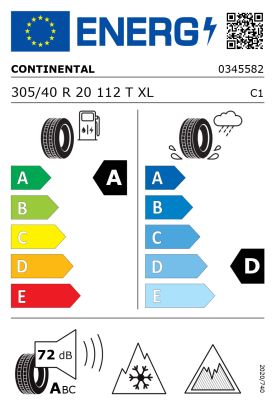
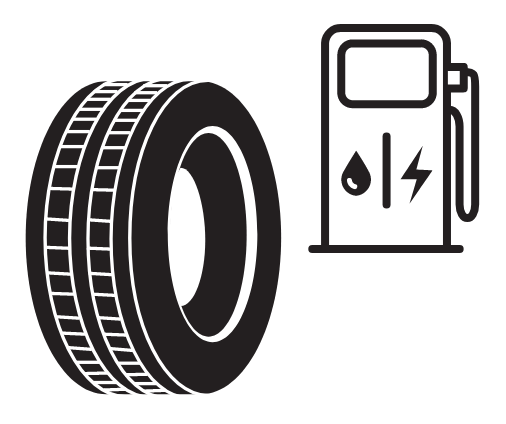
Tyres account for up to 1/5 of your vehicle’s fuel consumption? Choosing tyres with a high fuel efficiency rating will give you more kilometres from your tank and lower your CO2 emissions. The fuel efficiency scale ranges from class A (best fuel economy) to class E (worst fuel economy). This indicator depends on the tyre’s rolling resistance. For each class, the fuel consumption increases by approximately 0.1 litres for every 100 km driven. Simply put, fuel-efficient tyres require less energy to roll. This ultimately translates into less fuel used and you’ll also be reducing your environmental impact!
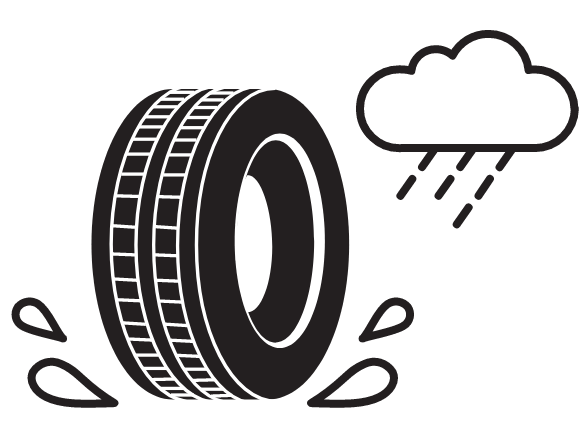
‘Wet grip’ is the tyre’s ability to stick to the road in wet conditions. NB! The European Union rating focuses only on one aspect of wet grip – the wet braking performance of the tyre. Wet grip is graded between class A and class E.
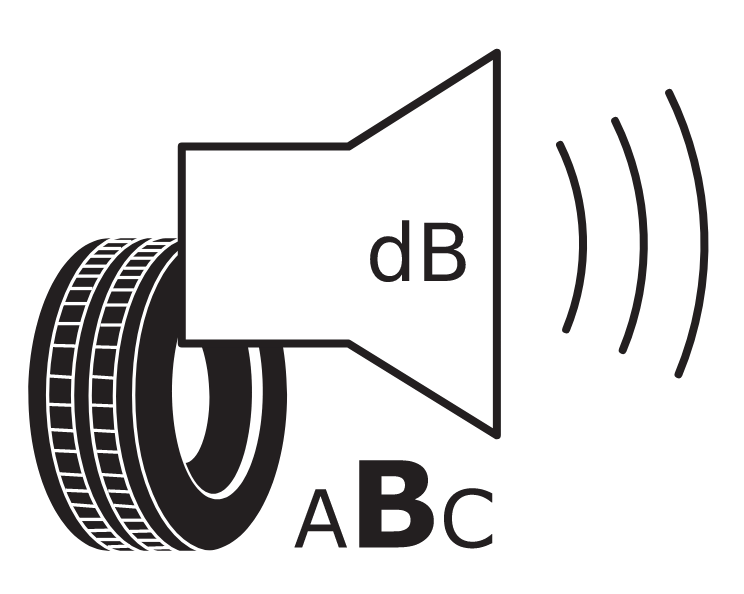
The EU tyre ratings also consider the exterior noise a tyre generates while you are driving. By choosing a tyre with a good noise rating you can lower the impact of your driving on the surrounding environment. The noise level is sorted into classes A, B, and C. The rolling noise of the tyre is measured in decibels and the exact value is shown on the bottom part of the label. Tyres with a low noise level have between 67 and 71 dB. The highest level shows sound waves in between 72 and 77 dB. An increase of just a few decibels represents a big difference in noise levels. In fact, a difference of 3 dB doubles the amount of external noise the tyre produces.
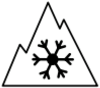
The snow tyre icon shows that a tyre is suitable for severe snow conditions and is intended primarily for winter tyres meant for Southern Europe. It is used on 3PMSF marked tyres and it depicts a three-peak mountain snowflake symbol that is incorporated in the sidewall of such tyres.
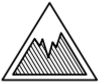
The ice tyre icon indicates that a tyre provides shorter braking distance on ice covered roads in winter, it is only used for Nordic soft tyres. The image is a symbol of an ice stalagmite. As far as we know, the label is not incorporated in the sidewall of such tyres.
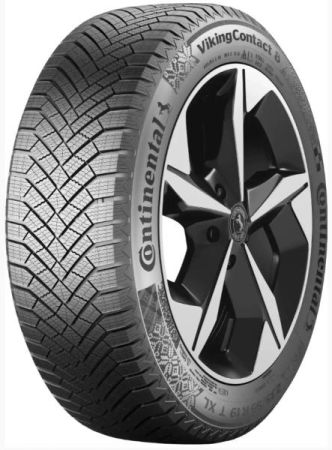
Continental VikingContact 8 is a premium studless winter tyre designed for demanding Nordic winter conditions, delivering reliable performance on snow, ice, cold wet roads and slush. The tyre’s directional tread pattern and optimized grooves efficiently evacuate water and slush from the contact patch, ensuring stable handling in changing winter conditions.
Advanced triple-layer sipes and gripping block edges create numerous biting edges that improve traction on snow and ice. The flexible winter tyre compound retains its properties even at very low temperatures, helping maintain reliable grip and control in cold conditions. In independent tyre tests, the Continental VikingContact 8 has been recognized for its balanced winter performance, quiet ride and low rolling resistance.
🛞 Directional tread pattern – The specialized tread pattern and grooves help channel water and slush away from the contact patch, improving stability in wet winter conditions.
🛞 Triple-layer sipes – Advanced sipe technology and gripping block edges provide improved traction and reliable grip on snow and ice.
🛞 Flexible winter compound – The rubber compound retains its elasticity even at very low temperatures, supporting excellent grip in cold climates.
🛞 Low rolling resistance – The optimized construction helps reduce rolling resistance and supports lower fuel or energy consumption.
🛞 Quiet driving comfort – The studless construction and tread pattern help reduce road noise and ensure a comfortable winter driving experience.








Successfully added into your shopping cart:
Amount: pcl
(the quantity can be changed in your shopping cart)